Category
Must-Know Tips For Traveling During Peak Seasons
Thinking about traveling during the holidays, summer break, or major festivals? You’re not the only one. Peak season means big crowds, packed hotels, and often higher prices — but it also means the energy is unmatched. Cities are alive, events are in full swing, and many places show their best side during these times.
But there’s a catch: peak season also brings delays, long lines, and expenses that can sneak up on you. So, how do you make the most of it without getting overwhelmed (or overcharged)?
Here’s a list of practical, real-world tips that can help you travel smarter during the busiest times of year — and still have a great time.
Book Early — Way Earlier Than You Think
Hotels and flights fill up fast during peak travel seasons. Prices rise the closer you get to your travel date — and the best spots are often gone first.
Lock In Your Plans Early
Book flights and accommodations at least 2–3 months ahead, or even earlier, for popular destinations like Japan during cherry blossom season or Europe in August.
Reserve Activities And Tours Ahead Of Time
That sunrise hike, cooking class, or museum entry? Book it online before you go. Many sell out weeks in advance, and showing up without a ticket can mean long waits or missing out completely.
Choose Your Travel Dates Carefully
Sometimes, a difference of just a day or two can make your whole trip smoother — and cheaper.
Avoid The Actual Holidays
Everyone wants to fly out the day before Christmas or return home right after New Year’s. Shift your travel dates by a couple of days if you can. Mid-week flights tend to be cheaper and less crowded than weekends.
Use Shoulder Days To Your Advantage
Try flying the day after a holiday, not before it. Try checking into hotels right after big events, not during. This kind of timing tweak can save you both time and money.
Be Strategic With Your Destination
Peak season doesn’t hit every place the same way.
Pick Less Obvious Cities Our Regions
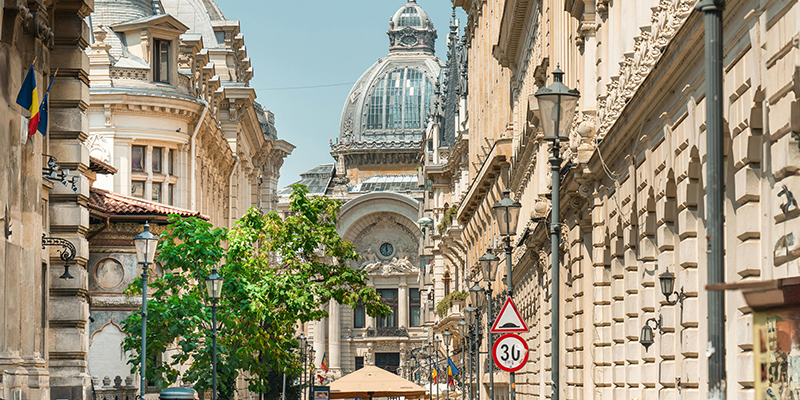
Instead of going to Paris in August, try Lyon or Bordeaux. Skip Venice in favor of nearby cities like Padua. The experience can be just as rich but without the same level of chaos.
Look For “Reverse Peak” Destinations
While Europe gets flooded in summer, countries in the Southern Hemisphere (like Argentina or South Africa) are quieter and more affordable.
Expect Crowds — And Plan Around Them
You won’t avoid crowds completely, but you can avoid the worst of them.
Go Early Or Late In The Day
Popular sites tend to be busiest between 10 a.m. and 2 p.m. Show up when the gates open or toward closing time for fewer people and better photos.
Buy Skip-The-Line Tickets
They're usually worth the extra few dollars, especially in places like Rome, Paris, or Bangkok, where lines can stretch for hours in peak season.
Explore Beyond The Main Sights
Every city has its "must-sees," but wander just a little off-track, and you'll find quiet neighborhoods, local cafes, and underrated museums most tourists miss.
Pack With Peak Season In Mind
What you bring can seriously affect how you feel during the trip — especially in high season.
Be Ready For The Weather
Peak travel season often overlaps with extreme heat or cold. Bring breathable clothes, sunscreen, and a refillable water bottle for summer trips. For winter, think of layers and waterproof boots.
Pack Some Patience, Too
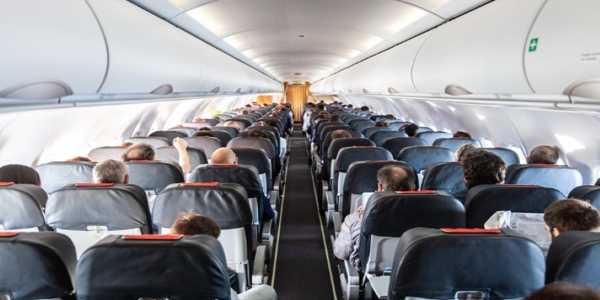
Expect delays at airports, longer wait times at restaurants, and slower transport. Having snacks, entertainment, and a good attitude goes a long way when things don’t go as planned.
Stay In Less Crowded Areas
Just because you want to see a popular destination doesn’t mean you have to sleep in the middle of the madness.
Look For Accommodations Outside The Tourist Center
Staying a few subway stops away or in a nearby town can be quieter and cheaper. Plus, you’ll get a more local feel.
Try Home Stays, Rentals, Or Boutique Hotels
Big chains fill up fast during peak times. Smaller spots often still have availability, better service, and a unique atmosphere.
Be Smart About Your Budget
High demand means higher prices — but that doesn’t mean you need to overspend.
Set A Budget Buffer
Expect prices for food, transport, and tours to be higher than normal. Add about 15–20% extra to your usual daily budget to account for peak season pricing.
Use Public Transport
Taxis and rideshares surge during peak season, especially around airports or events. Local trains, buses, and metros are almost always cheaper and often faster.
Eat Like A Local
Skip the restaurants with English-only menus in prime tourist spots. Walk a few blocks away, and you'll usually find better food at lower prices.
Get Travel Insurance (For Real)
Peak season is prime time for flight delays, lost bags, and sudden changes.
Buy Insurance Before Your Trip
Look for a plan that covers trip delays, cancellations, medical needs, and baggage. If you’re traveling with kids or to places with unpredictable weather, it’s even more important.
Read The Fine Print
Not all policies cover things like missed tours or COVID-related delays. Know what you’re buying, and save the contact info on your phone.
Be Flexible, Even With A Schedule
A little flexibility can save your sanity during high travel times.
Don’t Overpack Your Itinerary
Trying to do five things in one day during peak season is a recipe for stress. Choose one or two key things, and leave room for breaks, surprises, or last-minute changes.
Have A Backup Plan
If your must-see museum is closed or a storm cancels your island trip, know what else you could do instead. Spontaneity often leads to the best memories.
Respect The Local Space
You’re not the only one trying to enjoy this destination — and how you behave matters.
Be Mindful Of Crowds And Noise
Traveling in high season means sharing public spaces with more people. Keep your voice down, avoid blocking walkways, and don’t push ahead in lines.
Support Local Businesses
Peak season can bring a lot of stress to locals. Shop at family-run stores, eat at local restaurants and choose ethical tour operators. You'll have a better experience, and your money helps the community directly.
You Can Enjoy Peak Season — If You Plan For It
Yes, traveling during busy times has its challenges — but it also has a certain magic. There’s a reason so many people choose the same seasons to travel. From holiday lights in big cities to music festivals in small towns, some experiences only happen in peak season.
The key is going in prepared. Plan, pack smart, and stay open to changes. That way, instead of fighting the crowds, you’ll find yourself moving with the rhythm of the season — and loving every moment of it.
Was this helpful? Share your thoughts
- Learned practical methods
- Solved my questions
- Inspired new ideas
Editor's Picks
-
![Don’t Book A Flight Before You Read This Secret Guide]() Don’t Book A Flight Before You Read This Secret Guide
Don’t Book A Flight Before You Read This Secret Guide -
Searching for flights can be overwhelming. Prices change constantly, hidden fees add up, and sometimes the “cheapest” option isn’t the best deal. The truth is, most travelers end up paying more than they should. This guide breaks down proven strategies and tools that will save you money, help you choose smarter, and make sure you get the most value before booking your next flight.
Explore More
-
![25 Unique Things To Do In London: Quirky, Fun&Totally Unexpected]() 25 Unique Things To Do In London: Quirky, Fun&Totally Unexpected
25 Unique Things To Do In London: Quirky, Fun&Totally Unexpected -
Everyone thinks they know London. Big Ben, Buckingham Palace, the red phone booth and the double-decker bus selfie. Cute, sure. However, you did not come all this way to check boxes on the London list. Everyone has been there, done that. But you should want to know about the unique things to do in London. Things that are hidden gems of London. Things that make your friends say, “Wait, you did WHAT in London?”
Explore More
Don't Miss

Share This Article